Keypads and Access
Not everyone who needs to get through your door wants an app on their phone. A wall keypad, a card or a simple remote gives cleaners, guests, family and staff their own way in, each one revocable on its own without changing anything for anybody else.
Showing all 4 results
Which way in suits which person
The point of separate credentials is that you can take one away without disturbing the rest. A cleaner who stops coming loses a card; the family keeps its fingerprints.
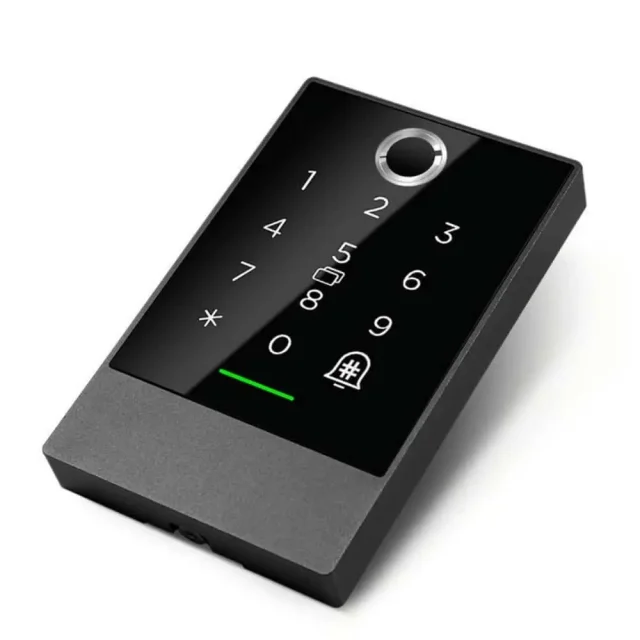
Wall keypads
A keypad mounted outside the door, or on a gate or a shared entrance, means nobody needs to reach the lock itself to open it. It is the usual answer for a building entrance, a courtyard gate, or a door where the lock sits behind glass.
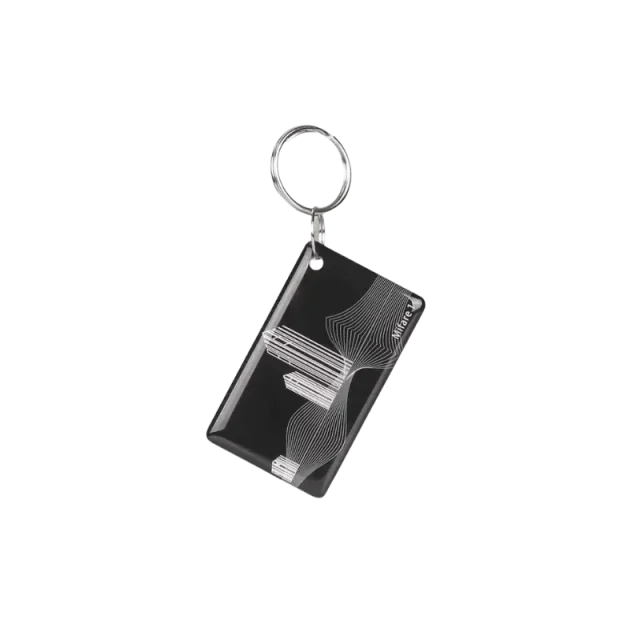
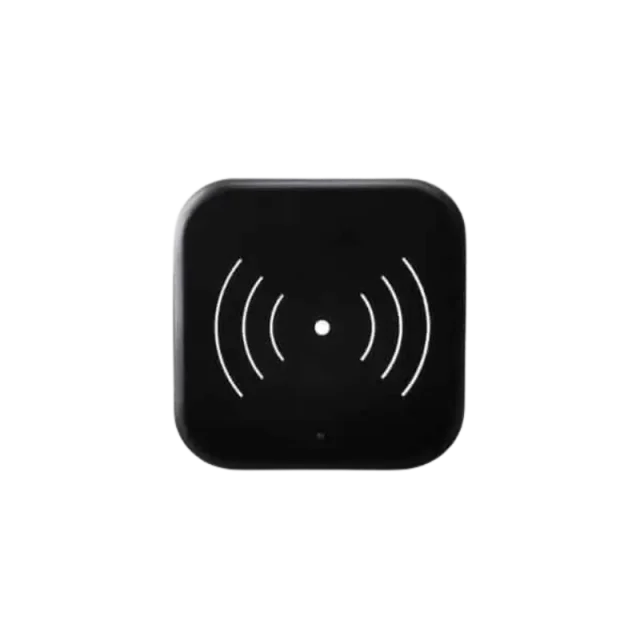
Cards and fobs
A tap is faster than typing and works in the cold and in gloves. Cards suit hotels and offices where people are used to carrying one; fobs go on a keyring for cleaners and regular visitors.
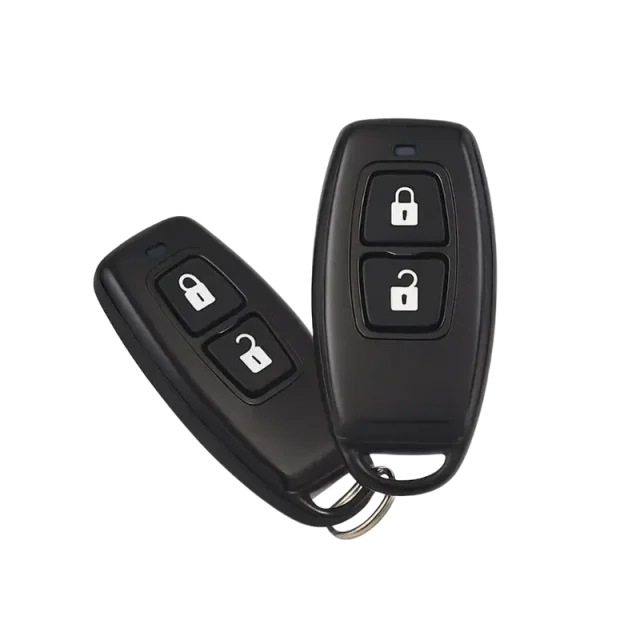
Remotes
A button that opens the door from a few metres away, which matters most for gates and garage doors where walking up to the lock defeats the point.
Common questions
Does a keypad need its own power?
It runs on its own batteries and talks to the lock wirelessly, so there is no wiring to run and no electrician to book. Battery life depends on traffic, and the app reports the level for both the lock and the keypad.
How many codes and cards can I have?
Enough that it is not the limiting factor. Each code or card can be permanent, one-time, or valid only between two dates, and each can be deleted on its own without affecting the others.
Will a keypad survive outside?
The keypad itself is built for outdoor use, but direct rain and strong sun will shorten the life of anything. If it is fully exposed, a weather cover is a few euros well spent.
Can I use a card I already have?
Sometimes. Many building access cards use the same frequency and can be enrolled with a card encoder. Bring one and we will tell you whether it will read.